Exploring Uozu’s Rich Past and Cultural Legacy

Discover Uozu’s fascinating historical sites, cultural heritage, and stories that shaped this city from ancient shrines and castle ruins to the birthplace of nationwide movements and local traditions.

The Birthplace of the Rice Riots

The Birthplace of the Rice Riots

A Historic Movement that Spread Nationwide from Uozu

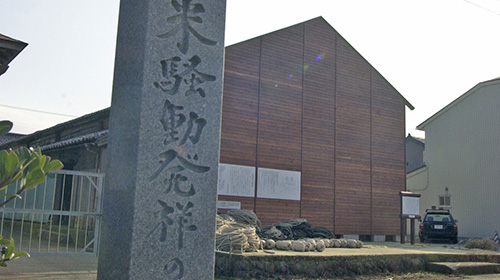
Uozu Town was a political and economic center of eastern Etchu (former name of Toyama prefecture) from the Edo period onward. On July 23, 1918, fishermen’s wives who were suffering from soaring rice prices demanded that rice shipments be halted at Uozu Port. This incident spread through newspapers and triggered the nationwide Rice Riots. The Rice Riots were a major event in modern Japanese history that ultimately led to the resignation of the cabinet. Uozu is the only place where rice storehouses from that time still remain, and the city cherishes this site as the birthplace of the Rice Riots.
Man Lighthouse

Man Lighthouse

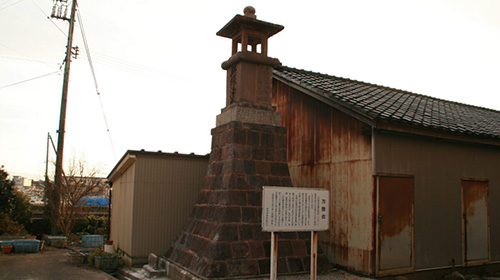
Man Lighthouse Illuminated the Entrance of the Sea of Uozu in the Edo Period

Man lighthouse is a lighthouse built in 1868 at Kadokawajiri near Uozu Port. In the late Edo period, maritime traffic was active in Uozu, with many ships coming and going to transport goods such as rice and cotton. It is said that the cost of lamp oil was covered by interest from funds lent to oil merchants, allowing the light to remain continuously lit. Due to postwar development, the lighthouse was relocated several times before settling in its present location in 1982.

Uozu Castle Ruins

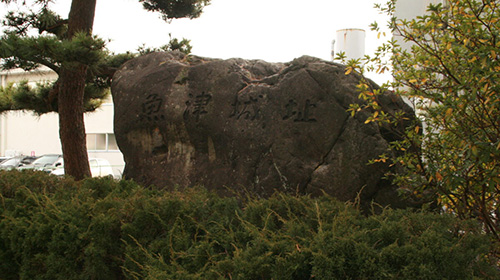
Uozu Castle Ruins

The Battlefield of Uozu Castle, Known as the “Uesugi Tragedy”

Uozu Castle was a flatland castle located in what is now the center of Uozu City and is said to have been built in the 14th century. Situated at a key point along the Hokuriku highway and maritime routes, it served as an important strategic base. During the Sengoku period, battles were fought there between forces aligned with Oda Nobunaga and Uesugi Kagekatsu, and the castle fell in 1582. Although it was abolished in the early Edo period, rice storehouses and other facilities were later established, and Uozu continued to flourish as a political and military center. No castle structures remain today, but the site is of great historical significance.

Matsukura Castle Ruins

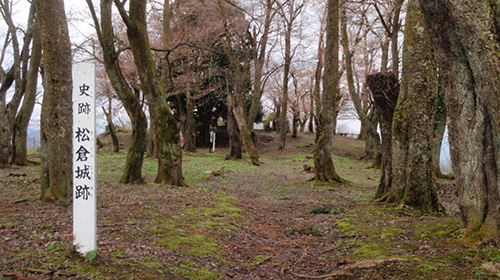
Matsukura Castle Ruins

One of the Largest Mountain Castles in Etchu

The Matsukura Castle Ruins are the remains of a large mountain castle located on the summit of Mt. Matsukura (approx. 431 m above sea level) in southern Uozu City. Five fortified enclosures are arranged along the mountaintop, with dry moats and flat areas spreading across the site. The castle extended approx. 1 km in length and is considered one of the largest in the prefecture. It was protected by steep slopes on three sides, and the remains of subsidiary castles and forts can still be found nearby. Built in the 14th century, it served as an important stronghold in the Niikawa region for approx. 250 years. It is believed that the economic power of the nearby Matsukura Gold Mine supported the castle’s prosperity.

Go Yosihiro’s Stone Monument

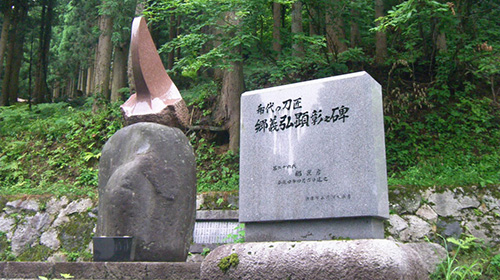
Go Yosihiro’s Stone Monument

One of the Sword Experts of “Masamune Jittetsu” in Etchu

Go Yoshihiro was a swordsmith from Etchu (former name of Toyama prefecture) who was active from the late Kamakura period through the Nanboku-cho period. Although the details of his life are largely unknown, he is said to have lived in what is now the Matsukura area of Uozu City. In his youth, he became a disciple of the master swordsmith Masamune and learned advanced techniques. Go Yoshihiro’s swords are renowned for their exceptional sharpness, and together with Masamune and Toshiro Yoshimitsu, he was praised as one of the “Three Greatest Swordsmiths of the Realm.” It is also said that he used iron from the upper reaches of the Hayatsuki River in his work.

Uozu Museum of History and Folklore

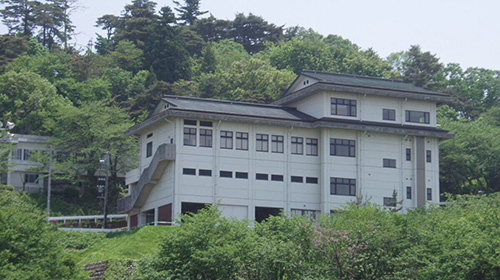
Uozu Museum of History and Folklore

Learn about the History of Uoze from the Primitive Age and Ancient Times with Archaeological Evidence and Historical Materials

The Uozu Museum of History and Folklore consists of two facilities: the Yoshida Memorial Local Museum and the Former Sawasaki Family Residence. The Yoshida Memorial Local Museum introduces the history and culture of Uozu from prehistoric times to the present and holds special exhibitions once or twice a year. The Former Sawasaki Family Residence is a private house built in the Edo period and is designated a cultural property of Toyama Prefecture, conveying the traditional lifestyle and daily life of people in the mountainous areas.